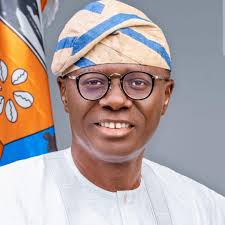
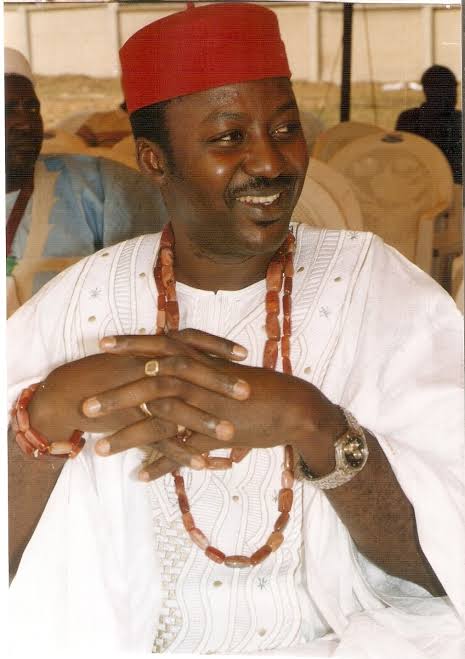
PHOTO: Mr Peter Obi
By: Israel Nwokedi
Former presidential candidate, Mr. Peter Obi, has expressed deep concern over the worsening traffic congestion on major highways across the country, attributing it largely to the poor siting of security checkpoints and warning that the situation now poses serious risks to public safety.
In a statement shared after his festive-season travels, Obi described the conditions on several highways as “distressing,” noting that many travellers were forced to abandon their journeys after spending hours trapped in gridlock
.
He identified the indiscriminate placement of security checkpoints—especially on narrow road sections and near construction zones—as the primary cause of the congestion.
According to him, such practices are counterproductive and irresponsible, often bringing traffic to a complete standstill and subjecting road users to avoidable hardship.
“Security checkpoints are meant to protect lives, not endanger them,” Obi said.
“When their location and operation result in prolonged delays, fatigue, and heightened accident risks, there is an urgent need to reassess how they are implemented.”
While commending the commitment and sacrifices of security personnel, Obi called for greater discretion and flexibility in checkpoint operations, particularly during peak travel periods.
He noted that many travellers already contend with long distances and deplorable road conditions, and that added delays further exhaust drivers and increase the likelihood of accidents.
He also warned that extended gridlock often forces travellers who set out early to remain on the road late into the night, exposing them to increased security threats at a time when insecurity remains a national challenge.
“Security must never become a source of insecurity,” he stressed.
Obi urged a more strategic and humane approach to highway security, recommending that checkpoints be relocated away from narrow roads and construction areas, inspections streamlined during heavy traffic, and coordination among security agencies improved to eliminate unnecessary bottlenecks.
He maintained that such measures would ease traffic flow without undermining security, safeguard lives, and make Nigerian roads safer and more efficient for all users.