By Mandy Park
The need to transform Anambra State’s persistent environmental challenges into opportunities for sustainable development, job creation and economic growth took centre stage at the Anambra Climate Resilience & Erosion Greening Roundtable held virtually on Friday, August 7, 2026.
The roundtable, organised by the Anambra Waste Recyclers Association (ASWRA) in collaboration with SWEEP Foundation NG and the Anambra State Ministry of Environment, brought together policymakers, climate advocates, environmental professionals, civil society organisations and stakeholders across the waste and recycling value chain.
Held under the theme, “From Gully Sites to Green Assets,” the engagement focused on the intersection between erosion control, climate resilience, waste management, recycling, environmental restoration and the emerging green economy.
Turning Environmental Challenges into Opportunities
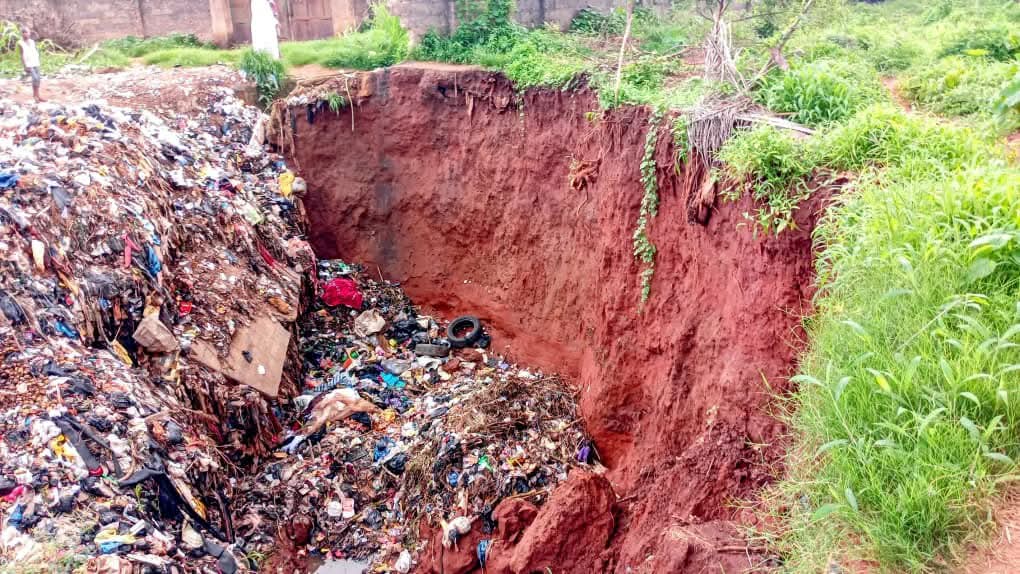
Anambra continues to grapple with serious environmental challenges, including gully erosion, flooding, indiscriminate waste disposal, land degradation and the effects of climate change.
The stakeholders, however, argued that these challenges should not be viewed solely as problems requiring government expenditure. Rather, they could become opportunities for innovation, investment, enterprise development and employment if supported by appropriate policies, technology, financing and community participation.
The discussion therefore called for a shift from a largely reactive approach to environmental management towards prevention, restoration, resource recovery and long-term climate resilience.
Government Seeks Stronger Collaboration
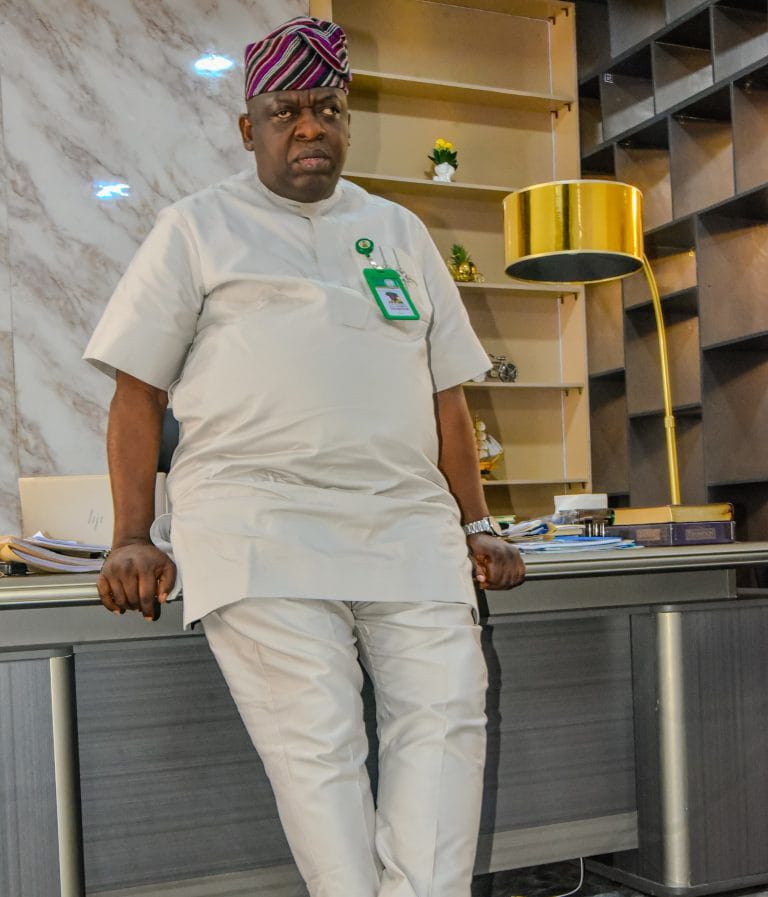
Commissioner for Environment, Anambra State, Dr. Clem Aguiyi, highlighted the importance of coordinated action and effective environmental governance in addressing the state’s ecological challenges.
Aguiyi called for stronger collaboration among government institutions, communities, civil society organisations and private-sector actors.
He also invited the Special Adviser to the President on Climate Change, Mr. Yusuf Kelani, and his team to visit Anambra for an on-the-ground assessment of the state’s gully erosion crisis.
Responding, Kelani provided a national perspective on climate action and the opportunities emerging within Nigeria’s climate and green economy landscape.
He said subnational governments and local stakeholders needed to strategically position themselves within the growing climate-resilience and green-economy value chains.
Kelani also assured participants that his team was planning a visit to Anambra as part of a broader nationwide consultation and campaign on climate-change mitigation and adaptation.
Anambra Must Move Beyond “Erosion Capital” Narrative
The Executive Director of SWEEP Foundation NG and Lead Consultant on Climate Change, Sustainability and Circular Economy, Amb. Obuesi Phillips, stressed the need for urgent and coordinated action to tackle the state’s environmental problems.
Phillips noted that Anambra, which has increasingly been associated with severe gully erosion, requires more than occasional interventions, photographs and public commentaries.
He called for broader cooperation between the Federal Government and the Anambra State Government to confront the ecological challenges facing the state.
According to him, environmental restoration should be linked with economic opportunity through waste recovery, recycling, resource efficiency, green entrepreneurship and other circular-economy initiatives.
From Gully Sites to Green Assets
The central theme of the roundtable captured the stakeholders’ proposed approach to environmental management: turning degraded spaces and environmental liabilities into productive assets.
Under the proposed model, erosion sites, waste dumps and degraded areas could become entry points for restoration, innovation, enterprise development and community investment.
Participants identified several priority areas, including early intervention in erosion-prone communities, nature-based solutions for climate adaptation, waste recovery and recycling, green entrepreneurship, youth participation, public-private-community partnerships and investment in climate-resilient infrastructure.
They also emphasised environmental education, behavioural change and the use of reliable data in environmental planning, monitoring and decision-making.
Waste Recyclers Critical to Green Economy
A major focus of the engagement was the role of waste pickers, recyclers, aggregators and other participants in the recycling value chain.
Participants noted that although many operators work within the informal sector, their activities contribute significantly to waste reduction, resource recovery and environmental protection.
They called for greater institutional recognition of the sector, alongside improved access to finance, technology, training, markets and safer working conditions.
The stakeholders maintained that properly organised waste-recycling enterprises could become an important pillar of Anambra’s circular economy while creating income opportunities for young people and other vulnerable groups.
Climate Resilience as Economic Strategy
The roundtable also stressed that climate resilience should be regarded not only as an environmental concern but also as an economic-development strategy.
Investments in recycling, renewable energy, sustainable agriculture, green infrastructure, environmental restoration, waste-to-value enterprises and climate-smart businesses can create jobs while strengthening communities against the effects of climate change.
For Anambra, stakeholders said this presents an opportunity to place young people, entrepreneurs, community organisations and environmental professionals at the centre of a new green economy.
Call for Multi-Stakeholder Action
Participants agreed that no single institution can effectively address Anambra’s environmental challenges.
Government is expected to provide policy direction, regulation and enabling infrastructure, while the private sector can contribute investment, technology and access to markets.
Civil society organisations can support advocacy, public awareness, community mobilisation and accountability, while local communities remain essential to implementation and behavioural change.
The collaboration among ASWRA, SWEEP Foundation NG and the Anambra State Ministry of Environment was therefore presented as an example of the type of multi-stakeholder partnership needed to drive sustainable environmental action.
What Next for Anambra?
Stakeholders called for the ideas generated at the roundtable to be translated into practical and measurable programmes.
Among the proposed areas of action are community-based erosion restoration projects, recycling hubs, green enterprise-development programmes, climate-awareness campaigns, stronger support for waste recyclers and mechanisms for connecting environmental initiatives with funding and investment opportunities.
They also stressed the importance of monitoring and measurable outcomes to ensure that environmental interventions deliver lasting benefits to communities.
Conclusion
The Anambra Climate Resilience & Erosion Greening Roundtable provided a platform for stakeholders to rethink the relationship between environmental degradation and economic development.
The message from the engagement was that gully erosion, waste and climate-related challenges should not be treated merely as liabilities. With the right policies, partnerships, investments and community participation, they can become opportunities for restoration, innovation, employment and sustainable enterprise.
The journey “from gully sites to green assets” will, however, require sustained political commitment, adequate financing, technical expertise and active participation by communities and the private sector.
For Anambra, the challenge now is to move from conversation to implementation and ensure that climate action produces visible environmental, social and economic benefits for present and future generations.