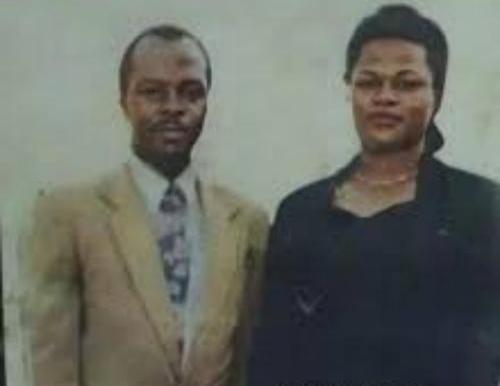
Photo: Barrister Barnabas Igwe, and wife, Amaka
By: Mandy Park
Fresh controversy has emerged in Anambra State following revelations that a confidential report submitted by the Anambra State Truth, Justice and Peace Commission (TJPC) allegedly linked Prince Kenneth Okwuchukwu Emeakayi, a current Special Adviser on Community Security to Governor Chukwuma Soludo, to the 2002 murder of former Chairman of the Nigerian Bar Association (NBA), Onitsha Branch, Barrister Barnabas Igwe, and his wife, Amaka.
The report, submitted to the Anambra State Government on March 6, 2024, as part of the commission’s mandate to investigate historical grievances, unresolved violence and injustices in the state, reportedly examined the circumstances surrounding one of Anambra’s most notorious political-era killings.
Barnabas Igwe, a prominent lawyer and outspoken critic of the administration of former Governor Chinwoke Mbadinuju, and his pregnant wife were brutally attacked on September 1, 2002, in Onitsha.
Nearly 24 years later, no one has been convicted for the crime.
The 14-member commission, chaired by renowned human rights advocate Chidi Odinkalu, with Bianca Odumegwu-Ojukwu serving as secretary, reportedly documented allegations implicating Emeakayi, who at the time served as Commissioner for Works under the Mbadinuju administration.
According to findings contained in the report, the Igwes had returned from the NBA Annual General Conference in Ibadan on August 31, 2002, and were attacked the following day while leaving work on Oraifite Street in Onitsha.
The commission alleged that a convoy linked to Emeakayi blocked the couple’s vehicle before armed men dragged them out and subjected them to a violent assault using machetes and clubs.
The report further claimed that the victims were later run over by a vehicle.
It stated that Amaka Igwe, believing she recognised Emeakayi as a client of the family’s law firm, reportedly ran toward him for protection as the attack unfolded.
According to the commission, both victims sustained fatal injuries from the assault rather than gunshot wounds.
Amaka reportedly died later that night, while Barnabas succumbed to his injuries the following day after allegedly identifying some of his attackers.
The report also claimed that the attackers were members of the then Anambra Vigilante Service (AVS), a state-backed security outfit operating at the time. It alleged that police investigators identified and arrested several suspects, including individuals linked to the attack, but that subsequent prosecution efforts were frustrated by political interference and institutional obstacles.
However, the allegations contained in the report remain findings of the commission and have not resulted in any judicial conviction. No court has found Emeakayi guilty of any offence relating to the murders.
The commission traced the killings to a period of heightened tension between the NBA and the Mbadinuju administration. As chairman of the NBA’s Onitsha Branch, Igwe had become one of the state’s most vocal critics, regularly condemning government policies, unpaid salary arrears affecting workers, and the activities of the Bakassi Boys vigilante group.
The report noted that shortly before his death, Igwe led the NBA branch in issuing a 21-day ultimatum to the state government demanding payment of outstanding salaries owed to teachers, judiciary workers, civil servants and legislative staff.
He had also publicly called on the governor to address the crisis or resign.
The commission further documented alleged attacks against other critics of the administration during the same period, including labour leader Charles Onyeagba, who reportedly survived an assassination attempt after speaking out against unpaid wages.
According to the report, the police initially constituted a Special Investigation Team to probe the murders, but investigators allegedly faced pressure to abandon the case.
It also claimed that some officers who pursued the investigation suffered professional setbacks.
The commission alleged that judicial transfers, loss of case files, interference in prosecution proceedings and a prison break in 2006 contributed to the collapse of efforts to secure justice.
It further stated that some suspects escaped custody and that critical documents later disappeared from both court records and the Directorate of Public Prosecutions, effectively stalling the case.
Beyond the criminal investigation, the report highlighted the lasting impact of the murders on the victims’ family and civil society. Barnabas and Amaka Igwe left behind three young children who were subsequently raised by relatives.
The commission described the killings as a major setback for civic activism and the legal profession in Anambra State, arguing that the incident created a climate of fear among lawyers, labour activists and other government critics.
Among its recommendations, the commission urged the Anambra State Government to issue a formal public apology to the Igwe family and consider symbolic compensation for the children and relatives affected by the tragedy.
It also recommended the renaming of Oraifite Road in honour of Barnabas and Amaka Igwe and called for an independent review of the handling of the case by a senior lawyer or retired judge to determine whether accountability can still be achieved.
The report described the unresolved killings as “a continuing violation crying out for remedy” and stressed the need for restorative justice, institutional reforms and renewed efforts to address historical grievances in the state.
Questions have continued to arise over the implementation of the commission’s recommendations, particularly given that Emeakayi was appointed Special Adviser on Community Security by Governor Soludo in October 2024, months after the commission submitted its report.
As of the time of filing this report, the Anambra State Government had not publicly announced any action on the recommendations relating to the Igwe murder case, while calls persist from legal practitioners, civil society organisations and human rights advocates for justice to be served in the decades-old matter.