By: Mandy Park
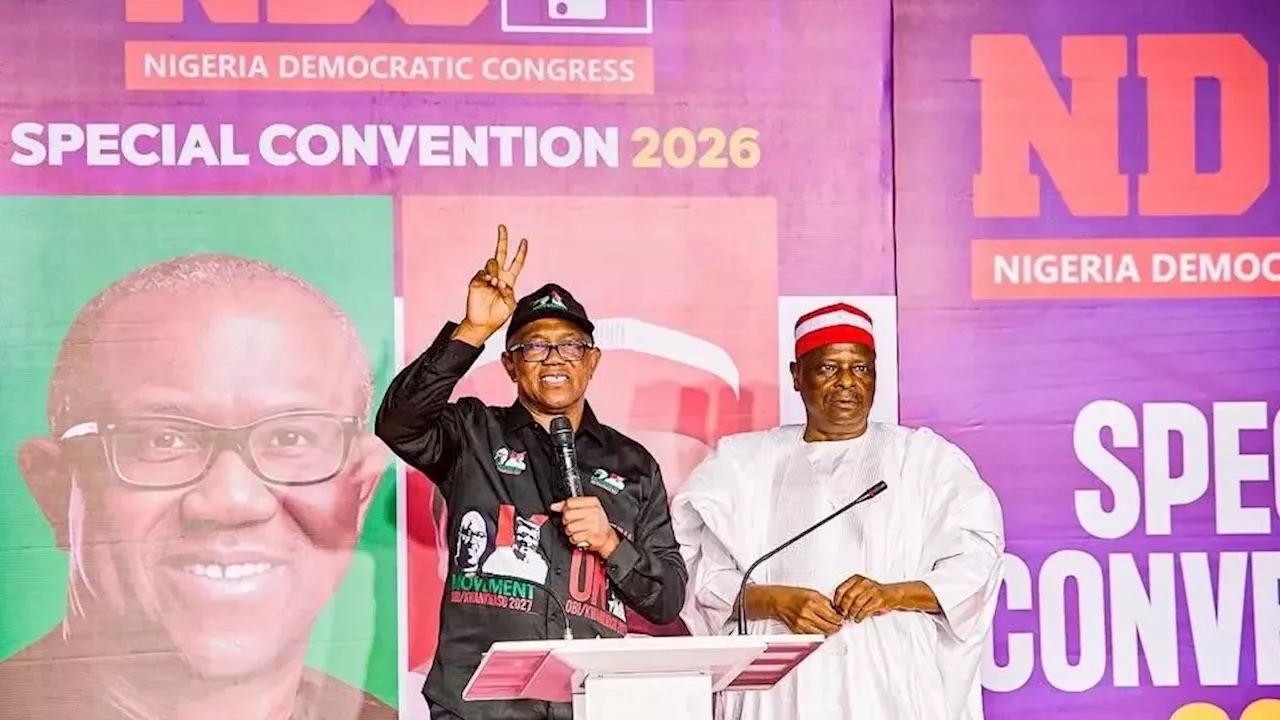
A fresh disagreement has emerged among supporters of the 2023 Labour Party presidential candidate, Peter Obi, ahead of the 2027 general elections, following criticism by the OK Movement of the coordinator of the Obidient Movement, Moses Paul, and the Director-General of the Nigeria Democratic Congress, Ibrahim Abdulkarim.
The OK Movement accused the two political figures of allowing internal disagreements and disputes over organisational affiliations to distract them from the task of grassroots mobilisation and preparations for the 2027 elections.
The development comes amid efforts by opposition groups and political support organisations to consolidate their structures and mobilise voters ahead of the next general elections.
In a statement on Tuesday, the United Kingdom Coordinator of the OK Movement, Adebayo Brown, faulted what he described as repeated claims by Paul, popularly known as MO, that Obi and former Kano State Governor, Rabiu Kwankwaso, had dissociated themselves from the OK Movement.
Brown questioned the political relevance of the claims, arguing that the priority of those seeking political change should be building structures and strengthening electoral mobilisation rather than engaging in public disagreements.
“With only 76 days to the general elections, one would expect serious-minded leaders to be preoccupied with building structures, strengthening grassroots engagement, and preparing for the enormous responsibility of electoral mobilisation.
“Instead, MO continues to make claims that HE Peter Obi and HE Senator Rabiu Musa Kwankwaso have dissociated themselves from the OK Movement.
“The question is simple: How does this constant repetition of such claims contribute to the success of the party or the democratic aspirations of Nigerians?” Brown asked.
He maintained that the OK Movement was built on a set of ideological principles and values which, according to him, would not be undermined by personal disagreements or political differences.
Brown also urged Paul to concentrate on rebuilding and restructuring the Obidient Movement, insisting that his leadership responsibility required sustained organisational engagement.
“MO should concentrate on the mandate entrusted to him: rebuilding, revitalising and restructuring the Obidient Movement.
“This is an opportunity to demonstrate leadership, capacity and organisational competence. The task deserves his full attention, not a diversion into unnecessary personal and political disagreements,” he said.
The UK coordinator also defended the National Director-General of the OK Movement, John Ozyl Ughulu, against allegations or insinuations that his involvement in the organisation was driven by personal ambition or financial interests.
Describing Ughulu as a successful businessman and advocate of workers’ interests, Brown said the movement’s national director-general had committed substantial personal resources, time and energy to building the organisation.
He warned against what he described as attempts to undermine Ughulu’s contributions because of his independence.
“It is important to make one thing absolutely clear: Hon. John Ozyl Ughulu is a successful businessman and a committed advocate of workers’ interests.
“His commitment to the movement should not be misrepresented as a pursuit of personal gain.
“Those who appear uncomfortable with his independence must understand that the OK Movement is an organisation built around principles and a collective vision, not the personal ambitions of any individual,” Brown added.
He also questioned Paul’s authority to speak on behalf of Obi and Kwankwaso, arguing that his position as coordinator of the Obidient Movement did not automatically make him the authorised spokesperson for either political leader.
According to Brown, statements concerning the relationship between the two politicians and the OK Movement should be backed by direct and verifiable communication from the individuals concerned.
Despite the criticism, the OK Movement said it was not engaged in an institutional dispute with either the Obidient Movement or the NDC.
Brown maintained that the organisations had a common interest in political mobilisation and the pursuit of credible elections, urging their leaders to avoid disagreements capable of weakening the broader opposition movement.
“For the avoidance of doubt, the OK Movement and the Obidient Movement are not enemies. Neither is the OK Movement in conflict with the NDC.
“We have a common democratic challenge ahead, and the priority should be mobilising Nigerians, strengthening political structures and working towards credible elections in 2027,” he said.
He disclosed that the movement had advised Ughulu to ignore what it considered distractions and remain focused on expanding its structures and pursuing its political objectives.
Brown said the organisation would not allow disagreements with individuals to derail its activities, reiterating its commitment to justice, equity, fairness and credible elections.
“The OK Movement will not be distracted, intimidated or defined by the opinions of individuals.
“Our commitment remains justice, equity, fairness, credible elections and a better Nigeria.
“The time for division is over. The time to work is now,” he said.
The latest disagreement highlights the challenges facing political support groups seeking to maintain unity and coordinate their activities ahead of the 2027 elections, particularly as the opposition landscape continues to evolve.