Photo: Mr Peter Obi
By: Daniel Kanu
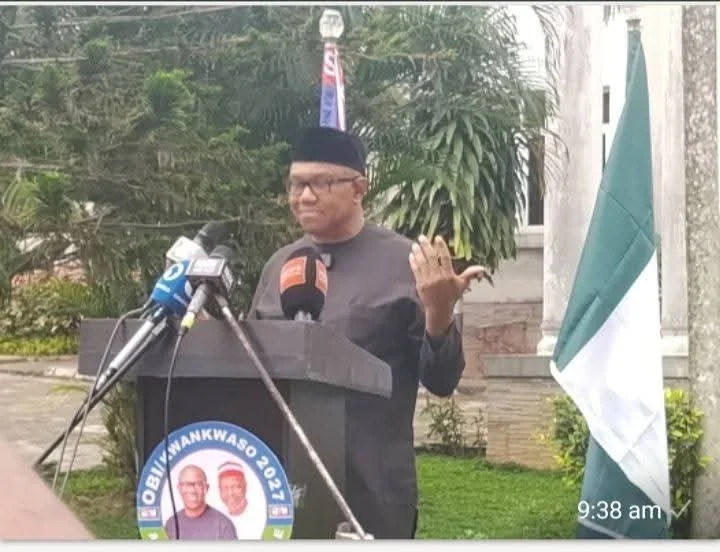
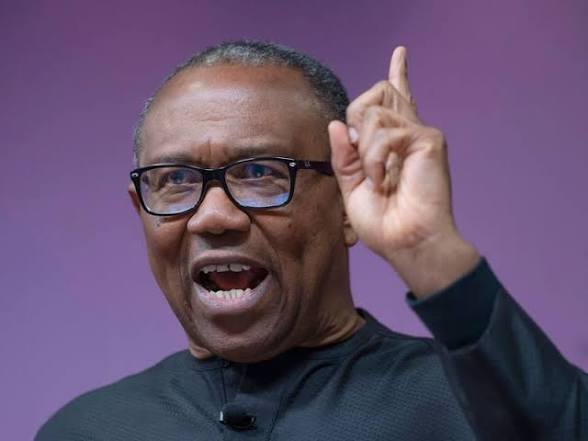
Former Labour Party presidential candidate, Peter Obi, has instituted a N5 billion defamation action against actor-turned-politician, Kenneth Okonkwo, over allegations made during a recent television interview which Obi described as false, malicious and damaging to his reputation.
The legal dispute stems from comments allegedly made by Okonkwo during an appearance on Channels Television’s Sunrise Daily programme on June 8, 2026, in which he accused Obi and leaders of the Nigeria Democratic Congress (NDC) in the South-East of engaging in unethical and criminal political practices.
In a letter dated June 9, 2026, Obi’s counsel, Chief Alex Ejesieme (SAN), demanded an immediate retraction of the statements, a public apology, and payment of N5 billion as general, aggravated and exemplary damages.
According to the legal team, Okonkwo alleged that aspirants seeking House of Representatives tickets under the NDC were compelled to pay an additional N10 million after settling the official expression of interest fees required by the party.
The lawyer stated that Okonkwo further claimed to possess evidence of the alleged payments, including receipts purportedly issued to aspirants.
Obi’s legal representatives also accused Okonkwo of alleging that Obi personally compiled the party’s candidates’ list from a hotel room, warned aspirants that Obi would defraud them, collected funds from individuals abroad, and worked alongside South-East party leaders to perpetuate criminal activities.
The legal team described the allegations as “false, baseless, reckless and wholly unsupported by facts.”
“The statements, in their natural and ordinary meaning, portray our client as a person involved in bribery, extortion, fraud, financial impropriety and criminal conspiracy,” the letter stated.
According to the lawyers, the remarks have severely injured Obi’s reputation, integrity and standing as a respected political leader and former governor of Anambra State.
They argued that while freedom of expression remains a fundamental constitutional right, it does not extend to the publication of defamatory statements capable of damaging another person’s reputation.
The letter emphasized that the comments were made during a live national broadcast and subsequently gained widespread circulation across social media platforms and digital news channels, thereby amplifying their impact.
“It is particularly disturbing that the statements were made on live television and thereafter republished and circulated widely across online and social media platforms where such allegations spread rapidly and assume a life of their own,” the legal team noted.
As part of the demands, Obi is seeking:
A complete withdrawal of the alleged defamatory statements within seven days;
An unequivocal and unreserved public apology;
Publication of the apology on the same media platforms through which the statements were disseminated, including television, X, Facebook, Instagram and YouTube;
A written undertaking from Okonkwo to refrain from making further defamatory statements against him; and
Payment of N5 billion in damages.
The lawyers warned that failure to comply within the stipulated timeframe would leave their client with no option but to commence legal proceedings seeking damages, injunctive reliefs, public retraction, apology and the cost of litigation.
The latest development marks a significant escalation in the public fallout between Obi and Okonkwo, who were once political allies during the 2023 presidential election campaign.
Okonkwo had served as one of Obi’s prominent spokespersons before their relationship deteriorated amid disagreements over party leadership and political direction.
As of the time of filing this report, Kenneth Okonkwo had not publicly responded to the legal demands contained in Obi’s letter.
Legal observers say the case could become one of the most closely watched political defamation disputes in recent years, given the stature of both men and the broader implications for political speech, accountability and freedom of expression in Nigeria’s evolving democratic landscape.